
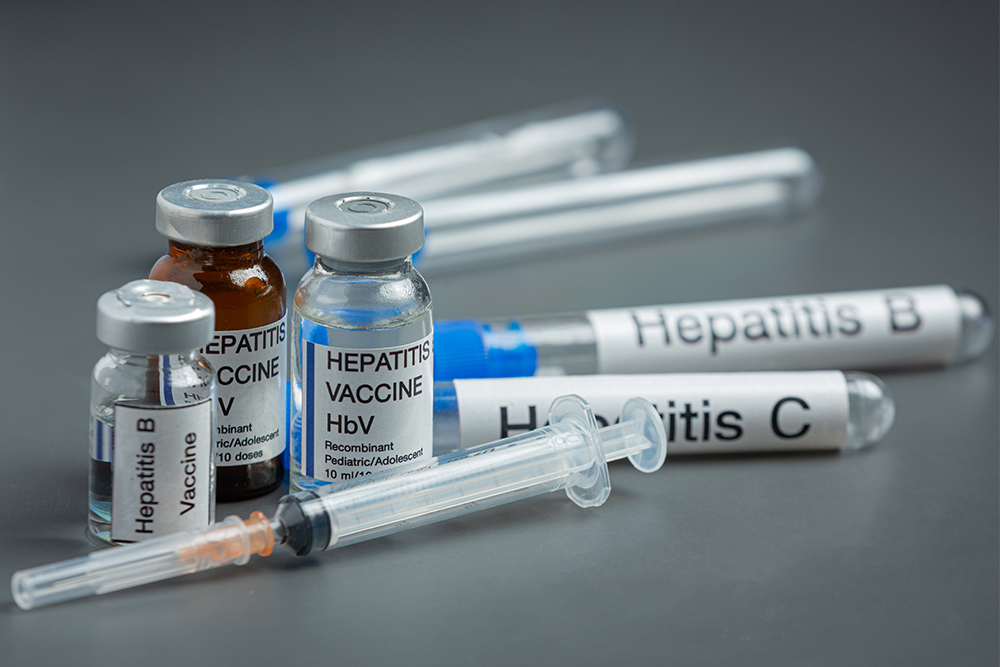
Protecting your health starts with prevention, especially when it comes to serious infections like hepatitis B. This viral infection affects the liver and can lead to long-term health problems if left untreated.
In New York, receiving the Hepatitis B vaccine is a straightforward and efficient method to lower your risk of infection. In a city where people travel frequently and interact closely in daily life, the chances of exposure can be higher than you think.
Whether you live in New York or are planning to travel abroad, understanding how this infection spreads and how vaccination protects you can help you make better decisions for your health.
What You Will Learn
- How the infection spreads
- Why vaccination is important in New York
- Who should get vaccinated
- What to expect after the vaccine
- Where to get vaccinated in NYC
How Does Hepatitis B Spread?
Hepatitis B is transmitted during contact with infected blood or body fluids. It is not transmitted during casual contact such as hugging or eating food. The most common ways it spreads include the following:
- Contaminated needles or syringes
- Exchanging razors or personal care products
- Unsafe dental or medical treatment
- Body piercing or tattooing using non-sterile equipment
- Unprotected sex with an infected individual
- Exposure to infected blood or blood products
Because these situations can happen in everyday life, it is important to stay protected.
Why the Hepatitis B Vaccine in New York Matters
New York is an active city with people constantly coming and going from all corners of the planet. It increases the possibility of infection by the above-described diseases, including hepatitis B.
Here are a few reasons to receive the vaccination:
1. Strong Protection Against a Serious Disease
The vaccination process provides your body with immunity from the virus, which significantly reduces the risk of the disease.
2. Prevents Long-Term Health Problems
Hepatitis B is a chronic condition that often leads to serious consequences such as liver damage or cancer.
3. Important for Travelers
Many regions around the world have higher rates of hepatitis B. This vaccination is even more significant in case you go to such countries as Southeast Asia, Africa, or some parts of Europe.
4. Helps Protect Others
Vaccination also helps you to minimize your chances of infecting other people.
Where Is Hepatitis B Common?
Hepatitis B infection is widespread in a number of geographical regions, such as the following:
- South-East Asia
- The Middle and Far East
- Southern Europe
- Africa
It is especially necessary to take this vaccine if you plan on traveling to these areas for a long time.
Who Should Get the Hepatitis B Vaccine?
The hepatitis B vaccine is recommended for many people, especially those belonging to high-risk categories. The vaccination procedure should be considered if you:
- Travel to areas with a common hepatitis B infection
- Are you planning to spend a considerable period abroad
- Take part in risky actions
- Have unprotected sex relations
- Meet your friends with chronic hepatitis
- Adopt children from regions of the world with a high incidence rate
Even if you are not in a high-risk group, vaccination is still a smart step for long-term protection.
Why Get Vaccinated Now?
Some people postpone vaccination because they feel well, but hepatitis B doesn't always show its symptoms from the very beginning. As a result, when they start showing up, the disease is already quite dangerous.
Taking the vaccine right now helps you to be sure that everything will be fine, and you won't experience further complications in the future.
Get Your Hepatitis B Vaccine in NYC with Expert Travel Care
At the Travel Clinic of New York City, we prioritize preventive care and travel health services for patients. We will make every possible effort for you to take the vaccine.
What we offer:
- Hepatitis B vaccination for individuals and families
- A flexible vaccination schedule, including accelerated programs
- Travel health consultations according to your destination
- Detailed recommendations regarding the required vaccines
- Hygienic environment for vaccination
Our clinic is designed to facilitate rapid patient care. With our help, you will be able to be protected by a vaccine regardless of your upcoming trip to another region.
By taking the steps now, you will save yourself many health-related problems in the future.
The Bottom Line
The Hepatitis B vaccine in New York is a vital component of safeguarding your health. Such vaccines help to protect you from an infection that could potentially lead to severe conditions with long-lasting negative consequences.
Getting vaccinated is a wise and responsible decision, whether you are traveling, working in a high-risk environment, or just want to be safe.
Visit the Travel Clinic of New York City to get started and take control of your health today.
Frequently Asked Questions
1. How many doses are needed for the Hepatitis B vaccine?
Side effects are mostly mild and disappear in a few days. In some cases, an accelerated schedule may be available.
2. Is the Hepatitis B vaccine safe?
Yes, it is considered safe. Most side effects are mild and disappear in a few days.
3. Do I need the vaccine if I am not traveling?
Yes, even when you are not traveling, it is advisable to be vaccinated as a general protection measure.
4. Can adults get the hepatitis B vaccine?
Yes, even adults can be vaccinated at any age if they have not received it before.
5. How long does the vaccine protect me?
The vaccine offers long-term protection, which can last several years.
6. What should I do if I miss a dose?
You can continue the series without starting over. Speak with your healthcare provider for guidance.