

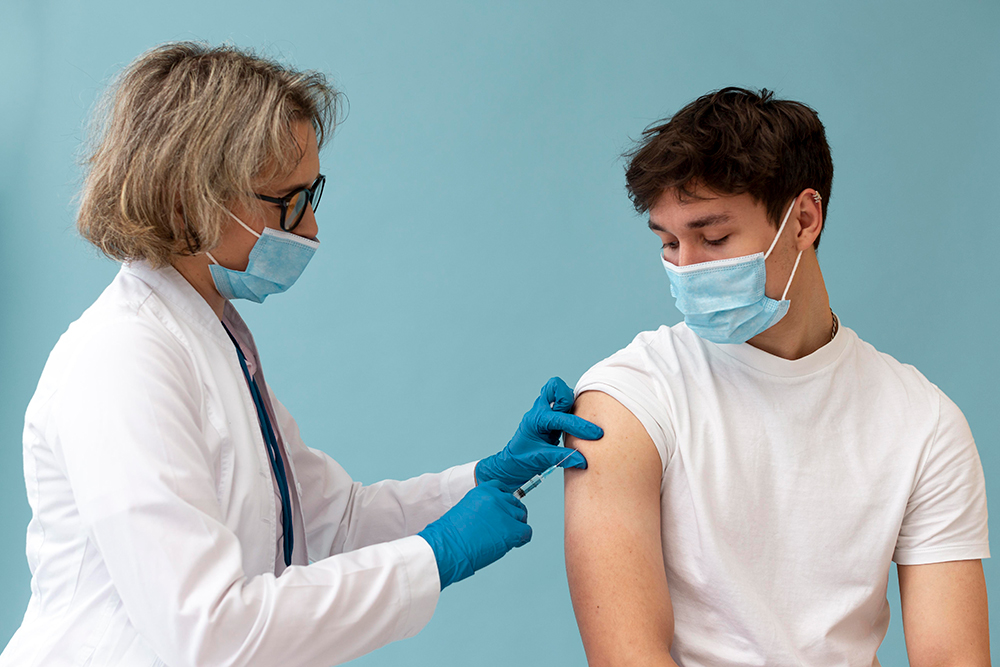
Most people do not give polio much thought today. In the United States, vaccination has made polio far less common than it once was. Still, the virus has not disappeared worldwide, and vaccination can remain relevant for people who have not completed their recommended immunization or who are traveling to certain parts of the world.
If you are unsure about your vaccination history, or you are looking into a polio vaccine in New York City, it can be helpful to understand who may need it and when an additional dose might be considered.
What Is Polio, and How Does It Spread?
Polio, or poliomyelitis, is caused by poliovirus and can affect the nervous system. Not everyone who becomes infected develops severe symptoms. In fact, many people may have no symptoms at all. In rare cases, however, the infection can affect the nervous system, leading to weakness or permanent paralysis.
The virus is highly contagious and enters the body through the mouth. It can spread through contact with an infected person's stool and, less commonly, through respiratory droplets. Food or water can also become contaminated in unsanitary conditions. What makes this more complicated is that someone can spread the virus even when they do not appear to be seriously ill.
Why Vaccination Still Matters
Wild poliovirus has been eliminated in the United States, largely because of widespread vaccination. That does not mean polio has disappeared everywhere. Poliovirus still occurs or can circulate in other parts of the world, which is one reason vaccination remains part of routine childhood immunization and travel health planning.
For most adults born and raised in the United States and who received routine childhood vaccines, polio vaccination was likely already part of their immunization history. Still, there are situations in which an adult may not have been vaccinated or may face a higher risk of exposure due to travel or other circumstances.
So, the question is not necessarily, “Do all adults need another polio shot?” In many cases, they do not. The more useful question is whether your vaccination history and current circumstances place you among the people who may need vaccination or an additional dose.
When Should You Get the Polio Vaccine?
Checking your vaccination status can be easy to put off, especially when you are unsure whether you were fully vaccinated in the past. In some situations, however, it is worth taking a closer look at your immunization history.
Here are some situations in which a polio vaccine may be recommended or an additional dose may need to be discussed with a healthcare provider.
- Adults who have not been vaccinated against polio
- Adults who did not complete the recommended vaccination series
- Travelers visiting countries where there is an increased risk of exposure
- Certain laboratory or healthcare workers who may be exposed to poliovirus
- Caregivers or other individuals with close contact with someone who could be infecteds
- People identified by public health authorities as being at increased risk during an outbreak
Sometimes the injury looks minor, but the condition of the wound and your vaccination history both matter.
A healthcare professional can review your vaccination history and circumstances to determine what may be appropriate.
Why Polio Vaccination May Still Be Relevant for Travelers
International travel can change the conversation around vaccination. A person who has spent most of their life in the United States may be traveling to a destination where the risk of exposure is different.
People traveling internationally should make sure they and their children are fully vaccinated against polio before departure. Fully vaccinated adults who will be traveling to an area with an increased risk of poliovirus exposure may receive one lifetime IPV booster dose. In some situations, destination-specific requirements may also involve proof of recent polio vaccination.
This is one reason travel vaccination in NY can involve more than simply checking which shots are commonly recommended. Your destination, length of stay, planned activities, and vaccination history can all be relevant to the discussion. Travel recommendations can also change as disease activity evolves, so it is sensible to review current guidance for the specific destination rather than relying on information from a previous trip.
What to Expect After Receiving the Polio Vaccine
Like other vaccines, the polio vaccine can cause side effects. The most common reactions are generally mild and may include soreness, redness, or swelling around the injection site. These reactions usually resolve on their own.
Severe allergic reactions following vaccination are rare. If someone experiences signs of a serious allergic reaction, such as swelling of the face or throat, difficulty breathing, dizziness, or weakness, emergency medical attention is needed.
If you have questions about previous vaccine reactions, allergies, or other medical concerns, discuss them with a healthcare professional before receiving the vaccine.
Get a Polio Vaccine in New York City
Checking your polio vaccine status can be worthwhile if you know you were never vaccinated, did not complete the recommended series, or are traveling to a destination where poliovirus exposure may be a concern.
For those looking for a polio vaccine, Travel Clinic Of New York City can help review your travel-related vaccination needs. You can contact the clinic at 212-686-5835 to discuss available services and your individual requirements.
A quick review of your vaccination history now may be easier than trying to sort it out later when travel plans are already in motion.
Frequently Asked Questions
Who should get the polio vaccine?
Children should receive polio vaccination as part of the routine U.S. immunization schedule. Adults who know or suspect that they were never vaccinated or did not complete the recommended series may also need it.
Do adults ever need another polio vaccine dose?
Some fully vaccinated adults may receive a one-time IPV booster if they are at increased risk of exposure, including certain international travelers. It is not a routine booster that every adult needs.
Is polio still a concern when traveling internationally?
It can be, depending on where you are going. Polio has been eliminated from most of the world, but poliovirus still occurs or circulates in some areas. Checking current travel health recommendations for your destination can help clarify whether additional doses are recommended.
What side effects can occur after the polio vaccine?
Many people do not experience side effects. When they do occur, mild soreness, redness, or swelling at the injection site are among the more common reactions.